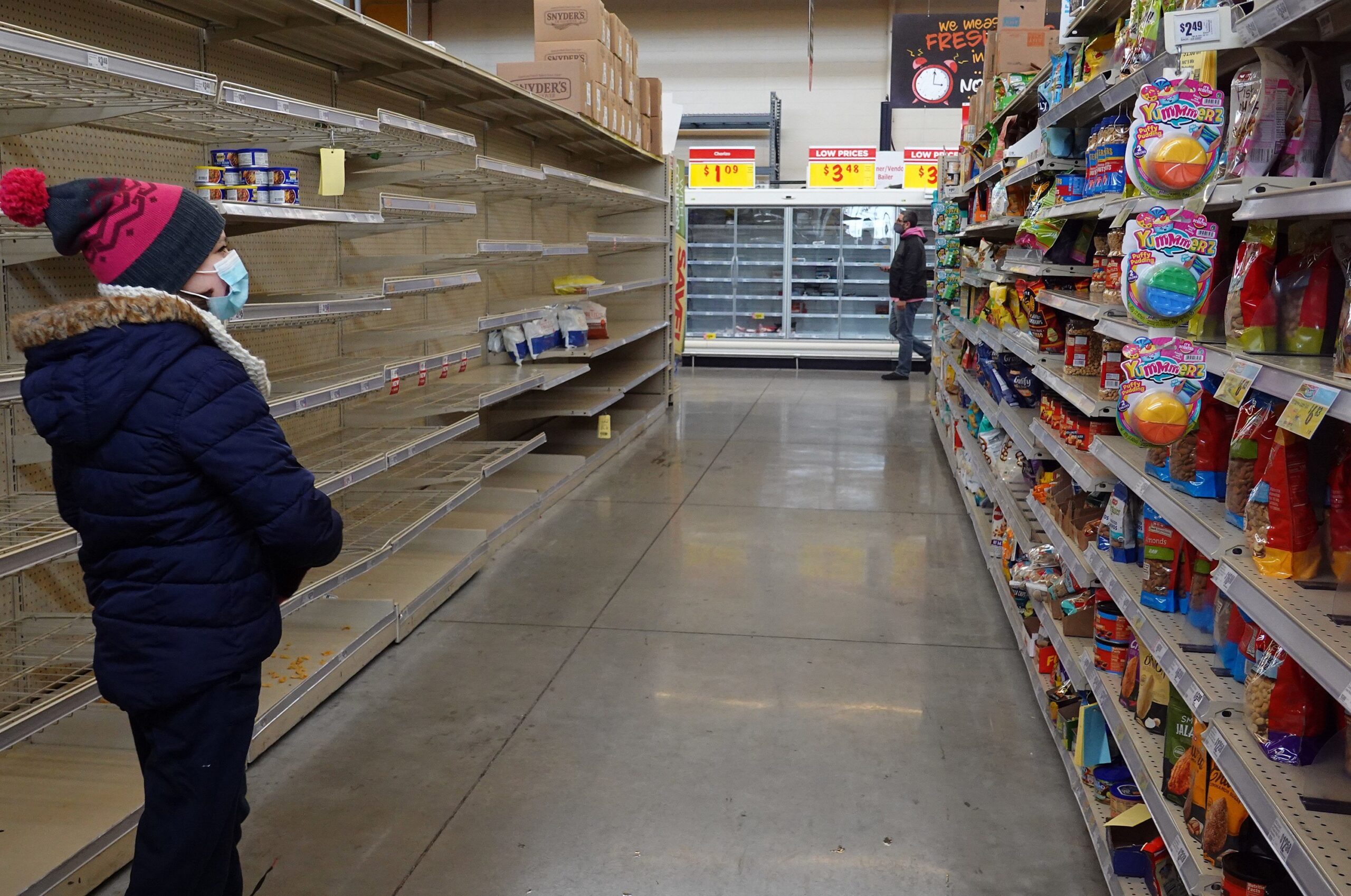
In times of food scarcity, coming together as a community to create a barter system can be a lifesaver. By exchanging goods and services instead of relying solely on monetary transactions, individuals can ensure that everyone has access to the resources they need. In this article, we will explore how to build a community barter system during food scarcity and provide tips and tricks for creating a successful food exchange network.
Building a Community Barter System During Food Scarcity
When food is scarce, it’s essential to reach out to your neighbors and friends to see what resources they have available. Start by organizing a community meeting or setting up a virtual platform where people can list the items they are willing to trade. By creating a central hub for communication, you can facilitate the exchange of goods and services more effectively.
In addition to sharing food items, consider expanding the barter system to include skills and services. For example, if you have a surplus of vegetables from your garden, you could offer to provide gardening tips or help someone else set up their own garden in exchange for a different resource. By diversifying the types of goods and services available for trade, you can cater to a wider range of needs within the community.
To ensure the success of your community barter system, it’s important to establish clear guidelines and rules for participation. Determine how trades will be facilitated, whether through direct exchanges or a point system, and set expectations for the quality and quantity of items being traded. Encourage open communication and transparency to build trust among participants and foster a sense of cooperation and support during times of food scarcity.
Tips and Tricks for Creating a Successful Food Exchange Network
One of the key factors in creating a successful food exchange network is building strong relationships within the community. Take the time to get to know your neighbors and understand their needs and resources. By fostering connections and building trust, you can create a supportive network that will help sustain everyone during times of food scarcity.
Another tip for a successful food exchange network is to embrace diversity and inclusivity. Encourage participants from different backgrounds and skill sets to join the barter system, as this will enrich the pool of resources available for trade. Celebrate the unique talents and contributions of each member and create a welcoming environment where everyone feels valued and appreciated.
Lastly, don’t forget to promote sustainability and resilience in your food exchange network. Encourage practices such as seed saving, composting, and water conservation to ensure the long-term viability of your community’s resources. By prioritizing sustainability and working together to overcome challenges, you can create a thriving barter system that will benefit everyone in times of scarcity.
Creating a barter system during food scarcity may seem daunting, but with the right approach and a supportive community, it can be a rewarding and effective way to ensure everyone has access to the resources they need. By building strong relationships, embracing diversity, and promoting sustainability, you can create a successful food exchange network that will help you weather any storm. So gather your friends and neighbors, get creative with your trades, and watch as your community comes together to support each other in times of need.