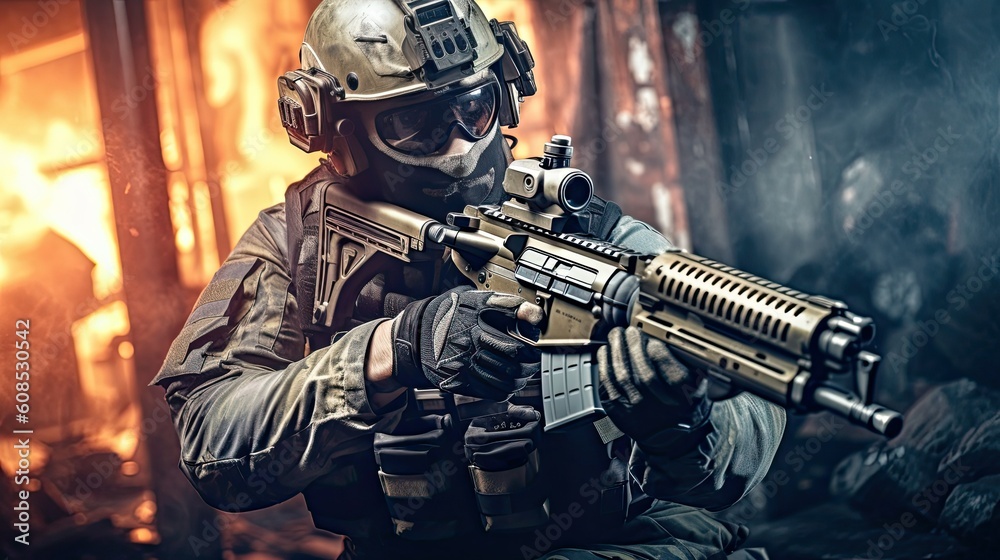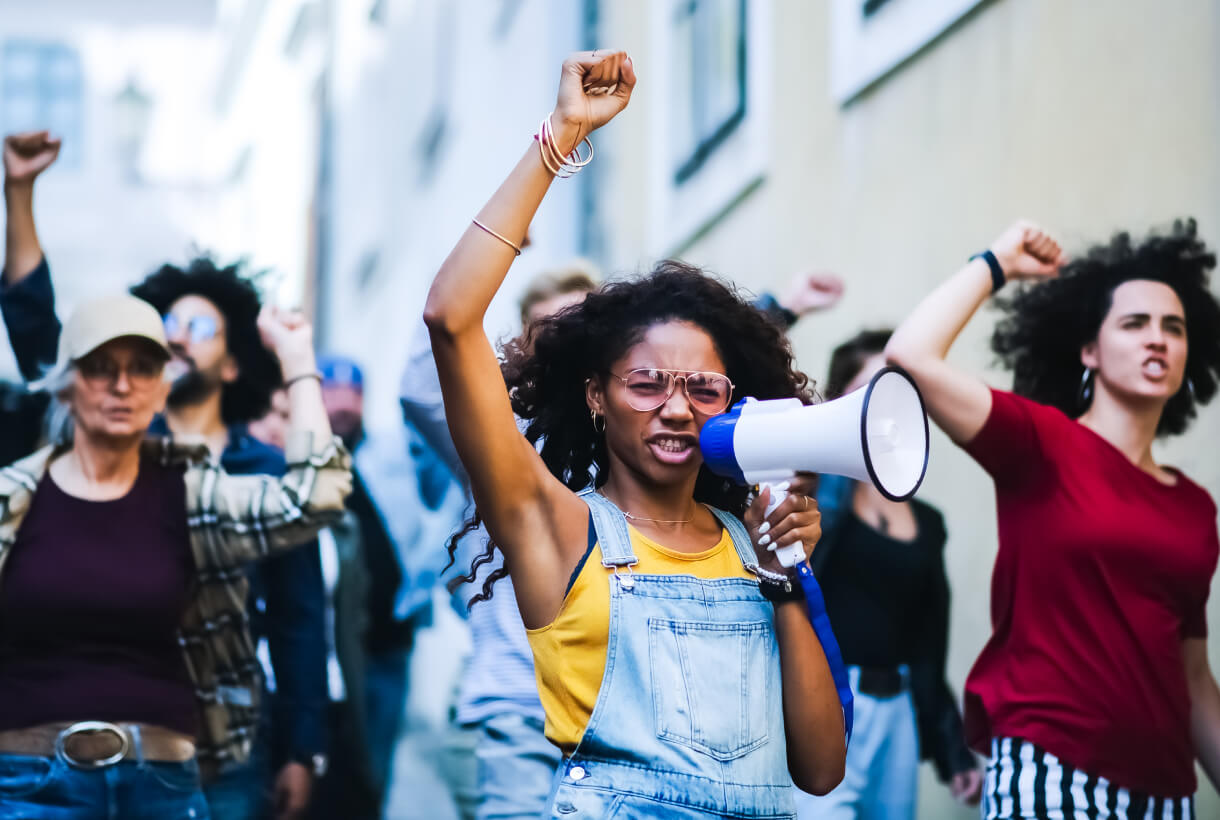
In times of conflict, having a strong survival group can make all the difference between safety and danger. Forming a group of like-minded individuals who are prepared to face any challenges together is crucial for your survival. This guide will provide you with tips on how to rally your troops and build a strong team for times of conflict.
Rally Your Troops: Forming a Survival Group
The first step in forming a survival group is to reach out to family, friends, neighbors, and even colleagues who share your concerns about potential conflict. Gather everyone together for a meeting to discuss the importance of coming together as a group and sharing resources and skills. Make sure to establish clear goals and guidelines for the group, including a plan for communication and decision-making. Remember, the more diverse your group is in terms of skills and resources, the better prepared you will be to face any challenges that may arise.
Once you have gathered your core group of individuals, consider reaching out to other like-minded individuals in your community who may be interested in joining your survival group. Attend local preparedness meetings, workshops, or seminars to connect with others who share your concerns and values. Building a network of individuals who are willing to work together during times of conflict will not only strengthen your group but also provide you with a larger pool of resources and skills to draw upon when needed.
As you continue to build your survival group, focus on fostering trust and cooperation among members. Encourage open communication, respect for each other’s opinions, and a willingness to work together towards common goals. Remember that in times of conflict, your survival group will need to work together as a cohesive unit to navigate challenges and overcome obstacles. By building a strong foundation of trust and cooperation, you will be better equipped to face whatever may come your way.
Building a Strong Team for Times of Conflict
In order to build a strong team for times of conflict, it is important to identify the strengths and weaknesses of each member of your survival group. Assign roles and responsibilities based on individual skills and expertise, ensuring that each member contributes in a meaningful way to the group’s overall preparedness. Consider organizing regular training sessions to build and enhance the skills of your team members, such as first aid, self-defense, and survival techniques.
Additionally, it is essential to establish clear communication channels within your survival group. Develop a plan for how information will be shared, decisions will be made, and resources will be allocated in times of conflict. Consider creating a communication network that includes multiple methods of communication, such as walkie-talkies, signal flags, and designated meeting points. By establishing effective communication protocols, you will ensure that your team can stay connected and informed during times of crisis.
Lastly, don’t forget to regularly review and update your group’s emergency plans and supplies. Conduct regular drills and practice scenarios to test your team’s readiness and identify any areas that may need improvement. Stay vigilant and proactive in your preparations, and continue to build a strong team that is ready to face any challenges that may come your way. Remember, by working together and supporting each other, your survival group will be better equipped to thrive in times of conflict.
Forming a survival group for times of conflict may seem like a daunting task, but with the right approach and mindset, you can build a strong team that is prepared for any challenges that may arise. By rallying your troops and building a diverse and skilled group of individuals, you will increase your chances of survival and thrive in even the most difficult circumstances. So gather your group, make a plan, and stay united in the face of conflict. Together, you can overcome any obstacle that comes your way.