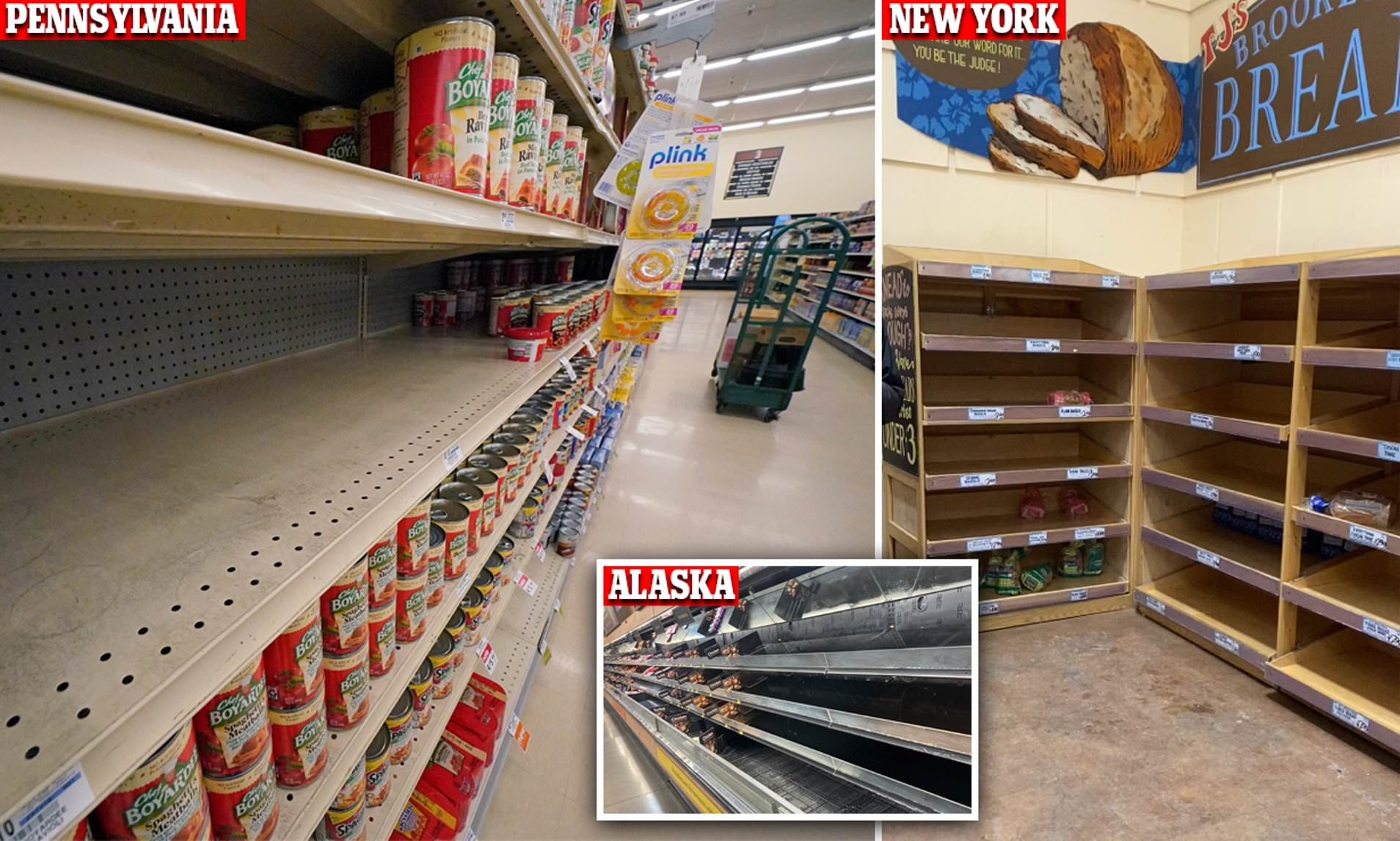
Are you wondering if a food shortage is on the horizon? While it’s easy to feel anxious about the possibility, it’s important to stay calm and be prepared. By recognizing the signs early on, you can take proactive steps to ensure you have enough food to sustain yourself and your loved ones. Let’s explore some key indicators that may signal an incoming food shortage and how you can stay ahead of the game.
Don’t Panic, but Be Prepared: Signs of an Incoming Food Shortage
One of the most obvious signs of an impending food shortage is a sudden increase in food prices. Keep an eye on your grocery bills and take note if you start to see significant spikes in the cost of essential items. This could indicate that the supply of certain foods is dwindling, leading to higher prices as demand outstrips availability.
Another red flag to watch out for is empty shelves at your local grocery store. If you notice that certain products are consistently out of stock or in short supply, it could be a sign that there are disruptions in the food supply chain. This could be due to a variety of factors, such as extreme weather events, transportation issues, or disruptions in food production.
Pay attention to any news reports or government warnings about potential food shortages. If there are reports of crop failures, droughts, or other factors that could impact food production, it’s important to take these warnings seriously. Stay informed and be proactive in stocking up on essential items to ensure you have an ample supply in case of a shortage.
Stay Ahead of the Game: How to Recognize Early Warning Signs
To stay ahead of the game and prepare for a potential food shortage, consider starting a home garden. Growing your own fruits and vegetables can help supplement your food supply and ensure you have access to fresh produce even if there are shortages at grocery stores. Plus, gardening can be a fun and rewarding hobby!
Another way to prepare for a food shortage is to stock up on non-perishable items such as canned goods, rice, pasta, and dried beans. These items have a long shelf life and can provide you with sustenance during times of scarcity. Make sure to rotate your stock regularly to ensure that your supplies stay fresh and usable.
Consider joining a community food co-op or sharing resources with your neighbors. By working together, you can pool your resources and ensure that everyone has enough food to go around. Community support and cooperation can be invaluable during times of crisis, so it’s important to build strong relationships with those around you.
While the thought of a food shortage can be daunting, being aware of the signs and taking proactive steps to prepare can help alleviate some of the stress. By keeping an eye out for warning signals and taking action to secure your food supply, you can weather any potential shortages with confidence. Remember, staying calm and prepared is key to overcoming any challenges that may come your way.


